


We started this podcast series because we know there is so much to learn from Elite Sport.
Health and Safety in Property and Sport requires a constant look at norms, behaviours, training, process and metrics.
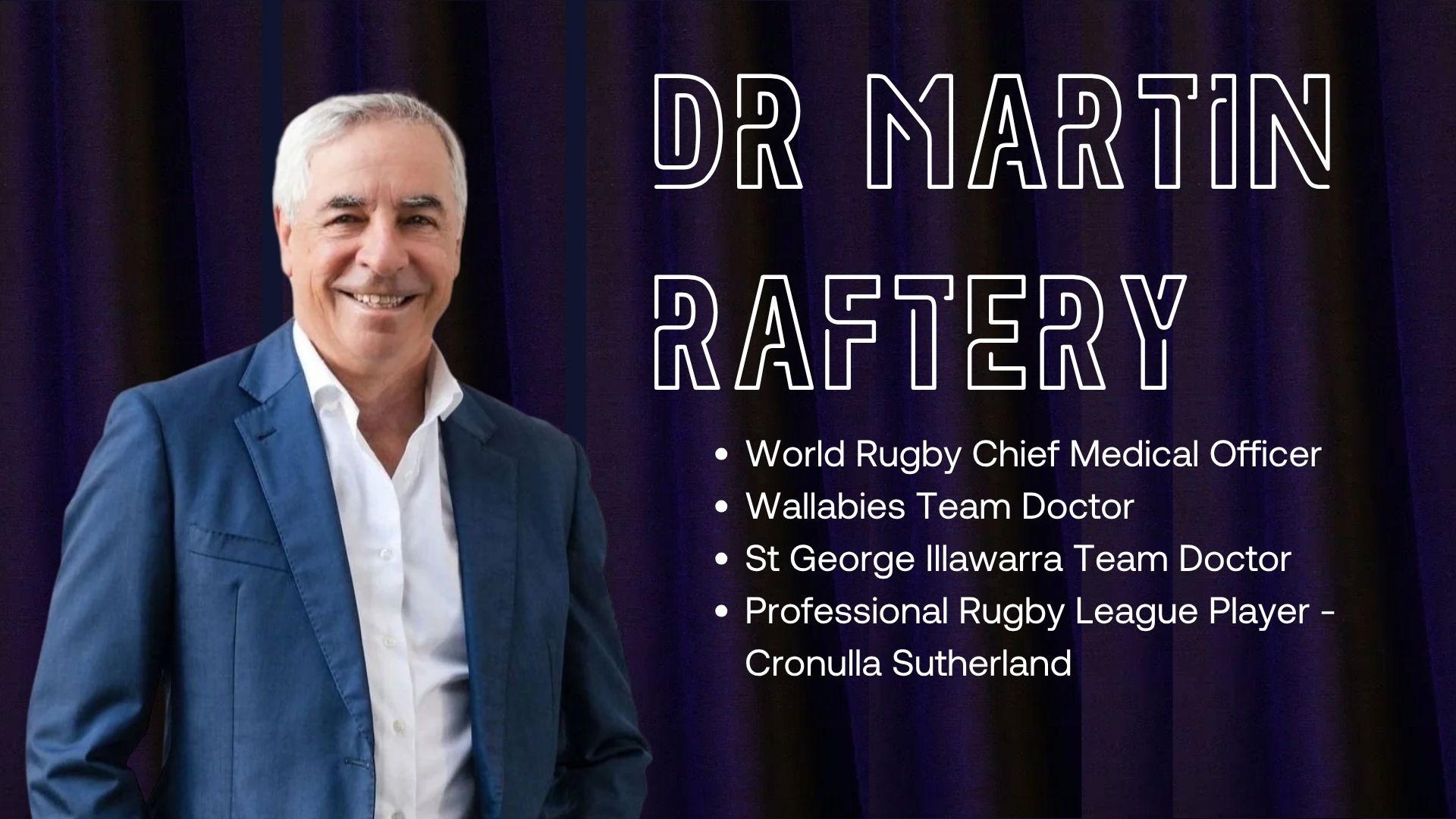
In this episode, we sit down with Dr. Martin Raftery, former Chief Medical Officer of World Rugby (formerly the IRB).
An inaugural Fellow of the Australasian College of Sport and Exercise Physicians and former team doctor for the Wallabies and St. George Illawarra, Dr. Raftery has been a global leader in player welfare, concussion protocols, and sports medicine.
Drawing from his experience establishing global player welfare standards, Dr. Raftery breaks down how to move safety culture from basic regulatory compliance to continuous, proactive risk management.
We explore how protocol-driven intervention, fatigue monitoring, data collection, and a transparent reporting culture apply directly to keeping workforces safe.
As a key figure behind modern athlete safety standards, Dr. Raftery has spearheaded major international initiatives in player welfare—from revolutioning Head Injury Assessment (HIA) protocols and training load management to advancing brain health resources for former athletes.
Key Takeaways -
- Global Medical Leadership: Dr. Raftery’s transition from the Wallabies' Team Doctor to guiding World Rugby’s international medical governance
- Concussion Protocols & HIA: The development and implementation of evidence-based Head Injury Assessments and match-day medical technology
- Managing Training Load: Why managing off-field training load is as critical as match-day care for long-term injury prevention
Episode Show Notes: Site Safety Key Takeaways
- Establishing Non Negotiable Standards: Under Martin's leadership, World Rugby introduced globally HIA protocols by testing and adjusting the practice during a few major tournaments WITH players, coaches and medical staff. Property and site teams can implement company or site wide safety standards in a similar way, it just takes communication
- Data Driven Incident Prevention: Transitioning from reactive incident logging to tracking leading safety indicators can be a hugely valuable cultural shift
- Creating a Reporting Culture: Overcome site level reluctance to report hazards by using blameless post-incident reviews to identify root causes rather than assign individual guilt. We call these post-mortems
- Continuous System Auditing: How high performance sports constantly revise safety guidelines based on modern clinical research—and how safety managers can build quarterly review feedback loops into their health and safety management systems (ISO 45001)


